2026-11-19 · Bobby Reynolds
Signs Your Shower Is Leaking Behind the Wall
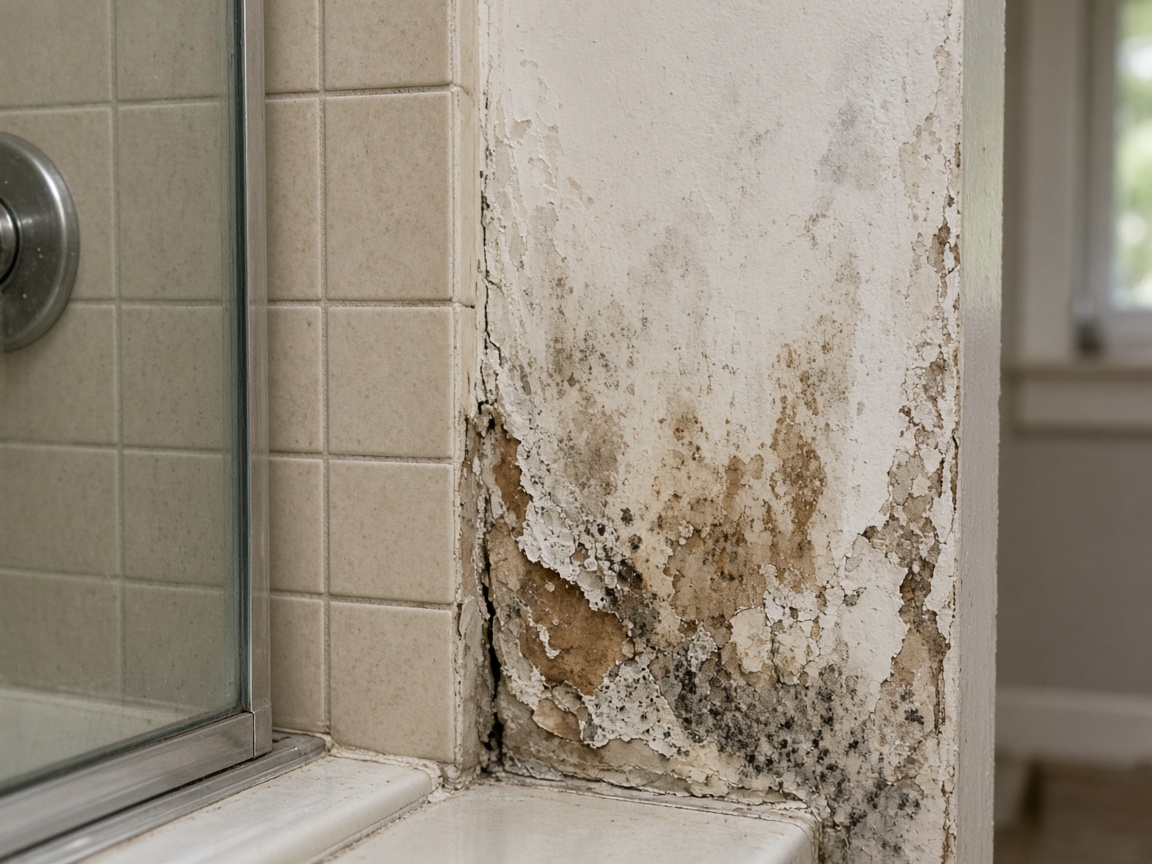
Water stains on the ceiling of the room below or a persistent musty smell in the bathroom are the most reliable early signs that your shower is leaking behind the wall. In Tulsa homes built before 1970, especially those in Maple Ridge or along Cherry Street, original cast-iron or galvanized pipes often corrode at joints after decades of exposure to the area's warm humid summers and frequent severe thunderstorms. These leaks stay hidden until moisture reaches drywall or subfloors, turning a small plumbing issue into structural damage.
Musty Odors and Hidden Mold Growth
A damp, earthy smell that lingers even after showers points to moisture trapped behind tile or drywall. In Greenwood and Pearl District homes, where many bathrooms retain original 1950s plaster walls, this odor often appears first near the shower base. Mold colonies can form within 48 hours once drywall absorbs water from a pinhole leak in the pan liner. Homeowners in Jenks and Bixby notice the smell intensifies during humid summer months when indoor humidity stays above 60 percent. Checking behind the shower valve access panel with a moisture meter reveals readings above 15 percent that confirm hidden water. Addressing the source early prevents spores from migrating through HVAC returns common in these older Tulsa County houses.
Soft or Spongy Flooring Around the Shower
Floors that give slightly underfoot near the shower threshold usually mean subfloor plywood has absorbed water from a failed pan or grout joint. In Brookside and Utica Square properties with original hardwood or vinyl, the damage spreads quickly because these materials sit directly on joists without modern underlayment. Cold winter temperatures cause pipes to contract, widening small cracks that then leak during spring thunderstorms. Lifting a corner of the flooring often reveals darkened OSB or warped particleboard within 12 inches of the curb. Replacement typically involves removing the toilet and vanity to reach the full wet area, a job that grows larger the longer the leak goes unnoticed.
Water Stains on Ceilings Below the Bathroom
Brown or yellow rings on the ceiling of a first-floor room directly under an upstairs shower indicate water has traveled through the floor assembly. Route 66 Historical Village and Downtown Tulsa apartments converted from older commercial buildings often show these stains first because their plaster ceilings crack easily once moisture reaches them. The leak usually originates at the shower drain flange or a cracked tile joint rather than the walls themselves. Severe thunderstorms can push additional water through roof vents that then finds the same path, accelerating the visible damage. Probing the stained area with a screwdriver shows soft drywall that must be cut back at least 12 inches beyond the wet zone to stop mold return.
Discolored or Cracked Grout and Tile Movement
Grout lines turning dark gray or black along the shower floor edges often mark where water bypasses the surface and reaches the wall cavity. In Owasso and Bixby homes with 8-by-8-inch ceramic tile installed in the 1980s, the thinset bed can delaminate when the underlying pan leaks, causing individual tiles to rock underfoot. Cold winter freeze-thaw cycles widen these cracks further. Running a level across the shower floor reveals dips greater than 1/8 inch that direct water toward the wall instead of the drain. Replacing only the surface tile without fixing the pan liner simply restarts the cycle within two to three years.
Rising Water Bills and Reduced Shower Pressure
An unexplained 10 to 15 percent increase in monthly water usage can trace back to a leak behind the shower wall that runs continuously into the slab or crawlspace. Homes in Sapulpa and Glenpool on well water notice the drop in pressure first because the leak diverts flow before it reaches the showerhead. During peak summer usage when irrigation systems run, the added volume masks the problem until the bill arrives. A simple test involves shutting off all fixtures and watching the meter for 30 minutes; any movement confirms a hidden leak somewhere in the system, often the shower pan in older Tulsa County construction.